You have ten minutes between meetings. The kettle is on. You could scroll, or you could learn something small. This quiz helps you figure out what kind of learner you are when time is short and tea is hot. There are no wrong answers, just four tea break styles. Grab a pen, or just remember your letters. Let’s find your blend.
How the Tea Break Learner Quiz Works
Below are six questions. Each has four answers, labelled A to D. Pick the one that sounds most like you on a normal, slightly rushed day. Write down your letters. When you finish, count which letter appears most often. That is your primary tea break learner type. If two letters tie, read both profiles. You might be a blend, which is common and useful. No need to overthink it.
The Quiz: Six Sips to Your Learning Style
- The kettle has just boiled. You have 15 minutes before your next thing. What do you do?
- A. Open a short video or article and speed through it.
- B. Make tea, sit down, and think about something you read earlier.
- C. Find a quick how-to guide for a problem you need to solve today.
- D. Text a friend or colleague to ask what they think about a topic.
- You are learning a new software tool. What is your first move?
- A. Click around and try the main buttons.
- B. Watch a full tutorial from start to finish.
- C. Search for the exact task you need to do right now.
- D. Join a forum or group chat and ask a question.
- How do you prefer to remember something new?
- A. Repeat it quickly a few times.
- B. Write a short summary in your own words.
- C. Use it immediately on a real task.
- D. Explain it to someone else.
- Your ideal learning session length is:
- A. 5 to 10 minutes, high focus.
- B. 30 to 45 minutes, unhurried.
- C. As long as it takes to finish the job.
- D. However long the conversation lasts.
- When you get stuck, you:
- A. Try a different approach fast.
- B. Step away, make tea, and let it simmer.
- C. Look for a checklist or template.
- D. Ask someone who has done it before.
- What makes a short course worth your time?
- A. It gets to the point in the first minute.
- B. It gives you space to reflect and take notes.
- C. It solves a specific problem you have right now.
- D. It includes a community or discussion.
Your Result: Meet the Four Tea Break Learners
Mostly A: The Green Tea Sprinter
You learn in fast, focused bursts. You like momentum. You would rather skim three short lessons than sit through one long one. Your tea break is a sprint, not a soak. Best study habits: set a timer for 8 minutes, pick one micro-lesson, and stop when the timer rings. Keep a running list of “done” items. Avoid long, meandering courses. Matching short courses: “Five-Minute Excel Tricks”, “Quick Grammar Fixes”, “Speed Reading Basics”. Note: speed is great, but occasionally slow down to check understanding. Try explaining one thing you learned to a colleague.
Mostly B: The Chamomile Soaker
You learn by reflecting. You need a quiet minute to let ideas settle. A tea break is perfect for that. Best study habits: read one article or watch one video, then close the laptop and think. Keep a small notebook for questions and connections. Review notes the next day for five minutes. Avoid cramming. Matching short courses: “Mindful Note-Taking”, “Introduction to Philosophy in 20 Minutes”, “Writing for Clarity”. Note: reflection is powerful, but set a gentle deadline so you actually finish. A 25-minute session with a 5-minute tea pause works well.
Mostly C: The Builder’s Brew Pragmatist
You learn to solve a problem. Theory is fine, but you want the steps. Your tea break is a tool-gathering moment. Best study habits: start with the task you need to do, then find the smallest lesson that helps. Use checklists and templates. Test what you learn right away. Avoid courses that stay abstract. Matching short courses: “How to Build a Simple Budget Spreadsheet”, “Fix a Leaky Faucet: First Steps”, “Email Templates for Busy People”. Note: practical learning is efficient, but don’t skip the “why”. Understanding the reason behind a step helps you adapt later.
Mostly D: The Chai Socialiser
You learn through conversation. A tea break is a chance to talk things through. You remember what you discuss. Best study habits: join a study group or online forum. Teach a concept to a friend. Use voice notes to summarise what you learned. Pair up for accountability. Avoid isolated, silent courses. Matching short courses: “Conversational Spanish for Beginners”, “Book Club: Short Stories”, “Intro to Public Speaking”. Note: social learning is rich, but make sure you also spend a few minutes alone to consolidate. Otherwise the ideas stay fuzzy.
Study Habits That Match Your Tea Type
- Green Tea Sprinter: Use a timer. Keep lessons under 10 minutes. Stack learning onto existing habits, like while the kettle boils.
- Chamomile Soaker: Schedule a 20-minute quiet block. Keep a notebook. Review yesterday’s notes for 5 minutes.
- Builder’s Brew Pragmatist: Start with a real problem. Use checklists. Apply one thing within the hour.
- Chai Socialiser: Find a learning buddy. Talk through one idea. Use voice memos to recap.
Short Course Ideas for Every Tea Break Learner
You don’t need a degree. You need a small, useful course that fits your style. Here are some directions, not endorsements. Look for free or low-cost options on platforms you already trust, and check reviews before you commit.
- Sprinter: Micro-courses on a single skill. Look for “in 10 minutes” or “quick guide” formats. Topics: keyboard shortcuts, photo editing basics, punctuation.
- Soaker: Short courses with reflection prompts. Topics: creative writing, art history, meditation for focus.
- Pragmatist: Project-based courses. Topics: home repair, spreadsheet skills, meal planning.
- Socialiser: Courses with live sessions or discussion boards. Topics: languages, debate, team communication.
A Practical Closing: Your Next Tea Break
Pick one small action. If you are a Sprinter, set a timer for 8 minutes and learn one new shortcut. If you are a Soaker, brew a cup and write three sentences about something you want to understand. If you are a Pragmatist, find a course that solves a problem on your list. If you are a Socialiser, send a message to a friend and suggest learning something together. That is it. Learning does not need to be a big event. It can be a tea break. And if you are dealing with stress, burnout, or big life decisions, talk to a qualified professional. For everyday learning, your kettle and your curiosity are enough.
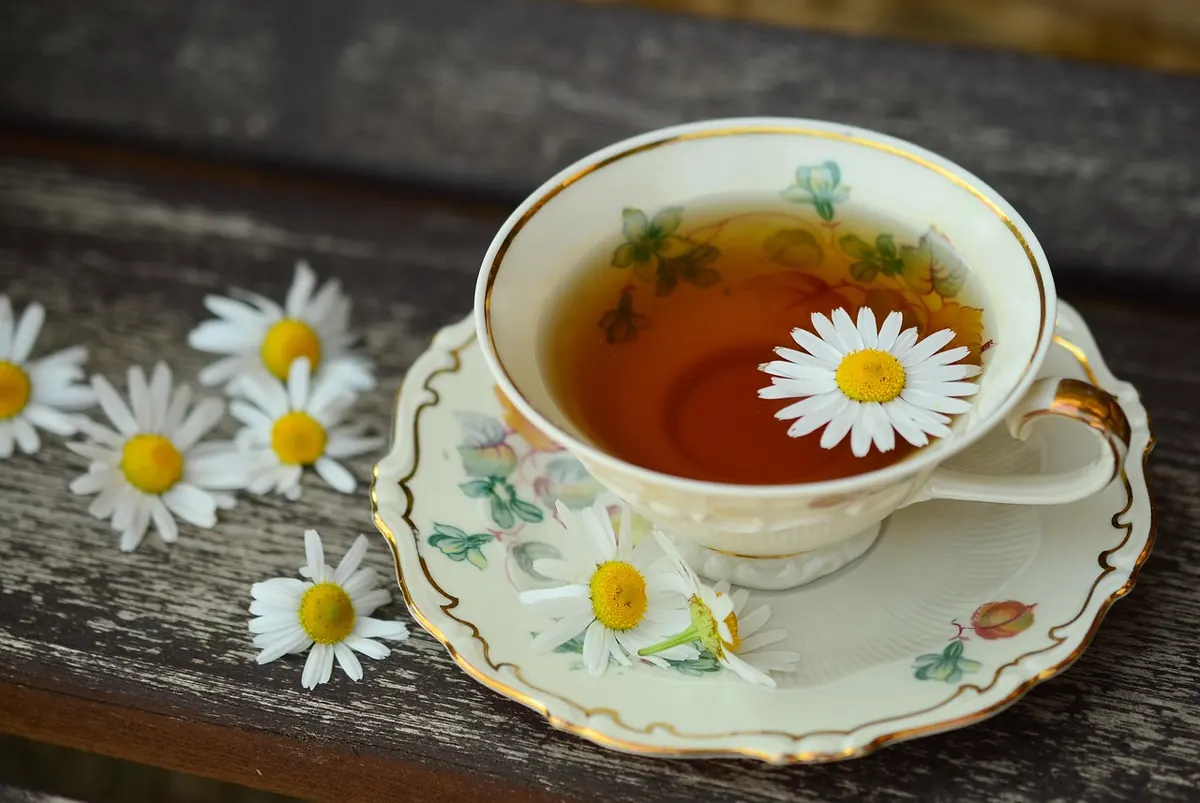
Photo: congerdesign / Pixabay