Some study methods feel productive without being productive. Rereading a chapter, highlighting in three colours, copying notes out more neatly — all of it feels like work, and much of it leaves very little behind. Active recall asks for something different: not putting information in, but pulling it back out again.
It feels harder than rereading, which is exactly the point. Here is what it means, why it works, and four exercises you can run between sips of tea.
What Active Recall Actually Means
Active recall is the practice of retrieving information from memory without looking at your notes. That is the whole definition. The work happens in the gap between the question and the answer, and you have to sit in that gap rather than skip past it.
Say you have just read a page about the water cycle. Close the book. On a scrap of paper, write the stages in order: evaporation, condensation, precipitation, collection. You get three of them and stall on the fourth. That stall is useful information. It marks a gap you can fix in the next two minutes, where reading the same page a fourth time would have quietly hidden the gap behind a feeling of familiarity.
The opposite of active recall is passive review: rereading, highlighting, watching a video again. This produces recognition, the sense that you have seen something before. Active recall produces retrieval, the ability to produce it cold. They are different skills, and the second one is what exams, interviews and work conversations actually ask for.
It is not only for memorising facts, either. You can recall an argument you just read, a set of steps in a spreadsheet, a verb pattern in Spanish, a chord progression, or the reasons a historical decision was made. Anything you have understood can be tested this way.
Why It Works Better Than Rereading
Three reasons, none of them mysterious.
- Retrieval is a workout. Every time you pull a fact or an idea out of memory, the route back to it gets a little easier to find. A failed attempt followed by a quick check usually does more than another smooth read.
- It gives you honest feedback. Rereading feels fluent because the page is fluent — the words are right there in front of you, doing the work. Your memory barely breaks a sweat.
- Gaps surface while you still have time. Test yourself a week out and you find the weak spots with days left to fix them. Test yourself the night before and you mainly find panic.
If you cannot say it without the page, you do not know it yet.
Four Tea-Break Exercises to Try Now
None of these need equipment beyond a pen and something to write on. The kettle can be on while you do the first one.
1. The brain dump
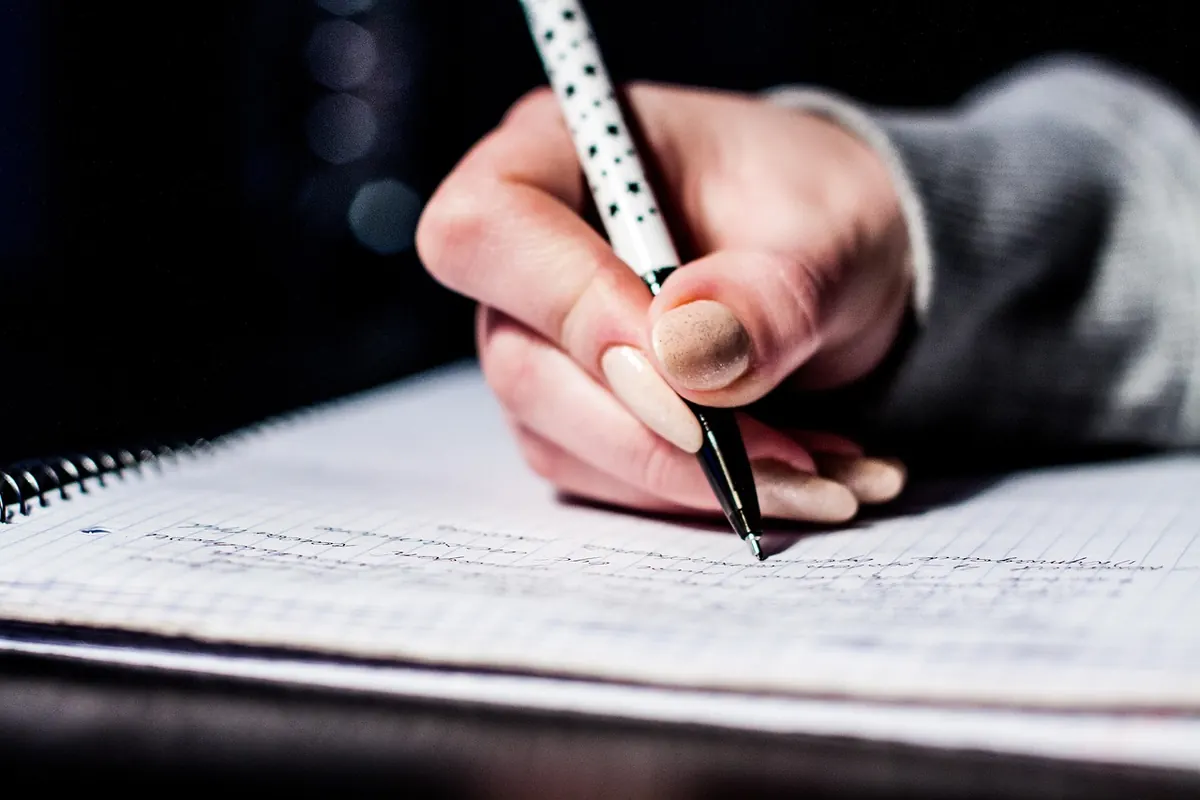
Close everything. Take a blank sheet, set a timer for five minutes and write down everything you can remember about the topic, in whatever order it comes out. Then open your notes and check. Mark what you missed in a different colour. Those missed items are now a short, specific study list instead of a vague sense that you "should revise chapter four".
2. Turn headings into questions
Before reading a section, look at its heading and turn it into a question. This page's first heading becomes: "What does active recall mean, and how is it different from rereading?" Answer it out loud from whatever you already know, then read and see how close you were. Do the same with diagrams and tables: cover the labels and reconstruct them.
3. Flashcards, but spoken first
Flashcards only work if you say or write the answer before you flip. The flip is the reward, not the learning. If you catch yourself thinking "yep, knew that" as your eyes hit the back of the card, that is recognition talking. Put the card back in the pile and try it again tomorrow.
4. Explain it to the kettle
While the kettle boils, explain today's topic out loud as if to a friend who has never heard of it. No notes. Where you slow down, hedge with "sort of", or reach for jargon you cannot unpack, you have found a weak spot. Two minutes of talking uncovers more than twenty minutes of rereading, because talking will not let you skim.
Mistakes That Turn It Back Into Rereading
- Peeking too soon. Give yourself a full ten seconds of genuine effort before you check. The effort is the part that builds the memory.
- Copying instead of recalling. Rewriting notes with the book open is transcription. It looks tidy and teaches you almost nothing.
- Testing only the easy parts. The section you would rather skip is the section that needs the test.
- Doing it once. One recall pass on something from last week beats a fifth pass on something from this morning.
- Testing before you understand. Recall moves knowledge around; it does not create it. If a concept makes no sense yet, get a clear explanation first, then test.
Fitting It Into a Normal Week
You do not need a study overhaul. A ten-minute recall session three times a week will outperform one long, comfortable revision session, mostly because the short sessions are easier to actually do.
A simple rhythm: read a section, close the book, brain dump for three minutes, check, move on. The next day, spend five minutes recalling yesterday's topic before you start anything new. At the end of the week, pick two topics at random and test yourself on both together — mixing them up makes the retrieval harder and more useful.
Keep a running list of the questions you got wrong. That list is your syllabus. When you have five minutes and a mug in hand, answer two of them out loud.
Try This With Your Next Cuppa
- Pick one topic you studied in the last few days.
- Put your notes, your phone and your textbook out of reach.
- Set a timer for five minutes and write everything you remember.
- Open your notes and mark the gaps in a different colour.
- Turn the three biggest gaps into questions, and answer them tomorrow.
That is the method. It is not glamorous, and it will feel worse than rereading for the first week or so. But when you can explain a topic at the kitchen table with nothing in front of you, you will know the difference was worth it.
Photo: tookapic / Pixabay